


Unlock the White House Watch newsletter for free
Your guide to what the 2024 US election means for Washington and the world
Donald Trump is considering a two-step approach to his new tariff regime, deploying rarely used powers to impose emergency duties while probes into trading partners are completed.
The proposals the administration’s officials are debating would seek to ground the president’s “reciprocal” tariff regime in a more robust legal framework while enabling Trump to raise money for planned tax cuts, said people familiar with the discussions.
Trump has pledged to unveil his new tariffs on April 2, dubbing the event “liberation day”, and prompting a race by foreign countries to lobby his administration’s top officials for exemptions.
Trump on Monday vowed to impose “substantial” tariffs on the US’s trading partners, even as he suggested he may “give a lot of countries breaks”.
“They’ve charged us so much that I’m embarrassed to charge them what they’ve charged us, but it’ll be substantial,” he said, hours after announcing new tariffs on buyers of Venezuelan oil, which includes China.
The latest mixed message from the president reflected a continued debate within his administration over exactly how Trump will enforce his new tariff regime — and to what end.
Among proposals his team has been discussing is a plan to launch so-called Section 301 investigations into trading partners, while simultaneously using rarely invoked emergency powers to apply immediate tariffs in the interim.
The tools used to hit partners immediately could include the use of the International Emergency Economic Powers Act, or a little-known US trade law, Section 338 of the Tariff Act of 1930, to potentially apply tariffs of up to 50 per cent on the country’s trading partners.
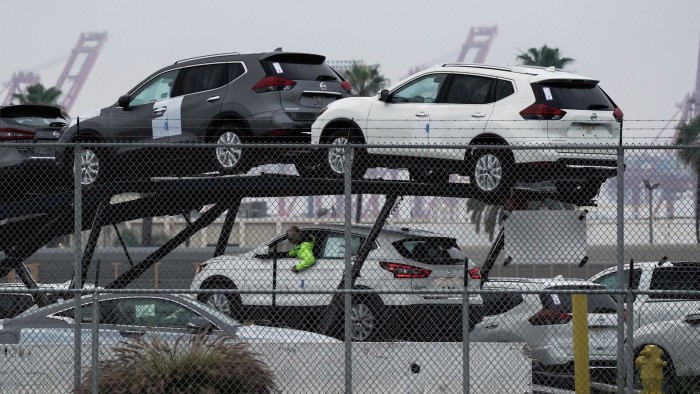
Lawyers and people familiar with the plans also say Trump could immediately apply tariffs on vehicle imports on April 2, resurrecting a national security study into the global car industry from his first term. Trump on Monday said tariffs on cars could be announced “over the next few days”.
Another option discussed recently — but now considered a long shot — is an obscure piece of US trade law known as Section 122 of the Trade Act of 1974, which allows Washington to temporarily impose tariffs capped at 15 per cent for up to 150 days.
But the administration has not settled on its approach, with the purpose of the tariffs now in flux.
While Trump has complained of foreign countries’ unfair treatment of the US, his officials are more focused on using tariffs to raise revenues for planned tax cuts rather than as a bargaining chip with foreign capitals, say people familiar with the discussions.
This has prompted a quest to find tested legal options the president can use to hit multiple trade partners with steep tariffs as quickly as possible.
The two main points of contact have also differed in their approaches, say people familiar with the discussions. While commerce secretary Howard Lutnick has served as the administration’s chief negotiator, he has lambasted trading partners over their trade surpluses and tax policies, before demanding “a deal”.
US trade representative Jamieson Greer, a lawyer who previously worked for Trump’s first-term trade chief Bob Lighthizer, has increasingly asserted himself as the legal planner, seeking to create a durable blueprint for the president’s drive to reorder global trade.
To that end Greer, has advocated launching investigations into trading partners before applying tariffs, said people familiar with his thinking. This approach would rely on tested trade law but take up to six months.
Kush Desai, a White House spokesperson, said: “Although the final reciprocal tariff plan for April 2 has yet to be unveiled by President Trump, every member of the Trump administration is aligned on finally levelling the playing field for American industries and workers.”
The administration’s apparent determination to pursue its tariff plan on April 2 has prompted a last-minute effort by nations to offer concessions. The UK is weighing up options to soften its tax on US tech companies as part of its overtures to Washington.
EU trade commissioner Maroš Šefčovič is scheduled to meet Lutnick and Greer for talks on Tuesday.
Any reciprocal tariffs unveiled next week will be an evolution of the universal tariff on exporters to the US that Trump first pitched as he campaigned for the White House last year.
Trump’s trade policy has been erratic, with the president announcing devastating tariffs on allies such as Mexico and Canada, only to roll them back — often hours later — in the face of intense business lobbying.
Since being in office, he has applied a blanket tariff of 25 per cent to all steel and aluminium imports, along with a range of new products made with the two metals.
After the EU said it would respond in kind to the metals tariffs, Trump threatened a 200 per cent retaliatory tariff on French wine and other alcoholic products.
Read the full article here

