


Unlock the Editor’s Digest for free
Roula Khalaf, Editor of the FT, selects her favourite stories in this weekly newsletter.
German lawmakers have cut the value of two flagship contracts to buy kamikaze drones from start-ups backed by tech billionaires Peter Thiel and Daniel Ek, striking a blow to Berlin’s plans to adopt unmanned weapons.
The Bundestag’s budget committee, which has the power to block or amend all significant arms deals, stressed the need for “moderation” in military spending as it cut the total expenditure on contracts with Stark and Helsing.
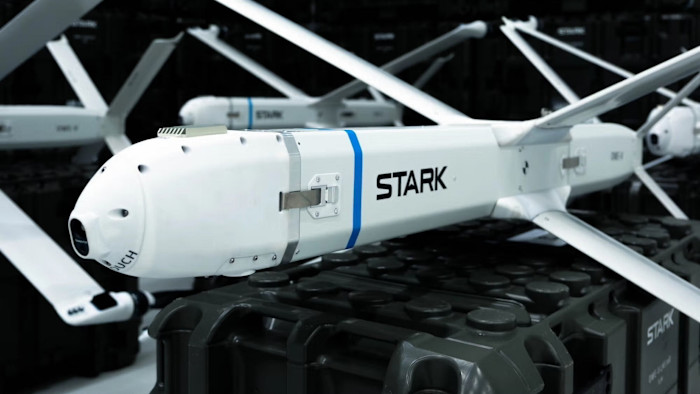
Berlin-based start-up Stark, backed by Thiel, had been set for a contract worth as much as €2.9bn, while Munich-based Helsing, whose backers include Spotify founder Ek, was in line for a deal valued at up to €1.46bn.
But the committee on Wednesday cut the maximum combined value of the two contracts by more than half, imposing a cap of €1bn per producer.
It also mandated the defence ministry to approve further drone purchases beyond an initial order, worth €269mn for each company.
A motion approved by the committee acknowledged the need for decisiveness and speed as Germany seeks to spend hundreds of billions of euros on overhauling its military in response to Russia’s full-scale invasion of Ukraine in 2022.
“Security demands decisiveness. Budgetary management demands moderation,” the committee said. “Where military urgency meets commitments of billions, it is the task of parliament to combine speed with responsibility,” it added.
The discrepancy in the price between the two companies had caused unease among some members of parliament, who also had concerns about committing billions of euros in taxpayer funds to two young companies whose products have yet to be fully proved as effective in combat.
One person familiar with the details of the contracts told the FT that the Virtus drones produced by Stark were twice as expensive as the HX-2 made by Helsing. A person close to Stark said the two companies’ systems could not be directly compared and had different performance parameters.
Green members of parliament have also voiced concerns about Thiel’s role as a shareholder, though Wednesday’s motion made no mention of him.
Defence minister Boris Pistorius and his officials have stressed the importance of procuring drones from more than one company to ensure that the military was not over-reliant on a single start-up.
Officials also plan to award a contract for armed drones to Rheinmetall in the coming weeks or months, the FT reported this week.
Speaking ahead of Wednesday’s decision, Pistorius said the deal was “extremely important”. He said Berlin needed to “intensify” work on drone technology and learn from the experience of Ukraine.
The move to limit the value of the drone contracts is likely to deepen tensions between the defence ministry and the budget committee. They have already clashed over several other deals this year.
Stark said the approval of its contract marked “a new era in German defence policy and demonstrates trust in innovative companies”.
Asked about the cap on its value, a spokesperson said: “We are ready at any time to deliver additional systems if required.”
Helsing declined to comment. The defence ministry did not immediately respond to a request for comment.
Read the full article here

