


Receive free Life & Arts updates
We’ll send you a myFT Daily Digest email rounding up the latest Life & Arts news every morning.
My daughter’s Year 6 class camping trip was eight months in the planning. The WhatsApp group was filled with messages about canoeing, BBQs and Negronis. It would be a primary school rite of passage, “one for the memory bank”. At least that was the plan.
Camping requires a skill set I lack. We don’t have the kit, and I always forget something essential, such as sleeping bags or the air mattress. But it was for my daughter, who would love a taste of wild, feral freedom, and it would make me feel like a fun and wholesome mum.
The fact that the campsite, two hours from London, was on a river was also in the weekend’s favour. I happily fulfil most clichés and have become a lockdown-induced, cold-water swimmer. I regularly splash around in a reservoir in Hackney, urban explorer, at one with nature and pigeons. Many of us are apparently at it. As social media rightly instructs us: “Find someone who loves you like the Guardian loves cold water swimming.”
On Friday morning, the day we are due to leave, my daughter says she’s changed her mind. It’s going to be 30 degrees at the weekend and she doesn’t want to sleep in our big blue plastic bag tent. I limply try to persuade her but I’m really just so relieved, we agree to bail. My husband declares the only thing better than schadenfreude is getting out of an obligation.
From Friday afternoon through to Sunday my phone is alight with pictures of glowstick discos, marshmallow campfires and lots and lots of happy children in the river with an inflatable avocado. I feel awful. The best things in life take effort and we have failed. I’m dreading my daughter going to school on Monday morning and hearing about everything she missed; the best camping trip that her parents couldn’t be bothered to take her on.
On Monday morning I wake to read a tentative message: “Has anyone else’s child been feeling poorly?” The responses come thick and fast. At least half the kids are ill and by Tuesday they’ve nearly all been sick, some parents too, some with skin rashes to boot. Hands up, yes, a little bit of me feels better about not going. But this is bad. The kids are really ill. It wasn’t the BBQ or norovirus: it was something in the water. There are a confirmed 46 pukers from the weekend. Only a handful of those who swam with their mouths tightly shut are spared.
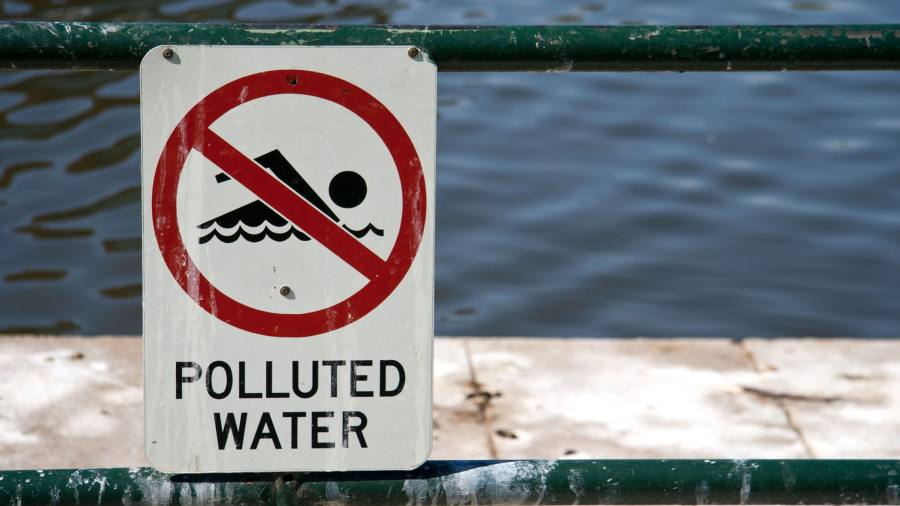
We all “search it up”, as the kids say, and discover reports of high levels of E. coli in that part of the river, and frequent sewage overspills.
The numbers are stark. No river in England is free from chemical contamination and only 14 per cent of UK rivers had a “good” ecological status, according to a 2022 House of Commons Committee report. Agricultural runoff and the release of untreated sewage are leading causes of river pollution, which rings a bell with the parents: there were cute cows chewing the cud on the river bank and a sewage facility nearby.
The tangible reality of polluted waterways shouldn’t have come as a surprise, perhaps, but in the extreme it really is sickening. The endlessly celebrated benefits of open water swimming are actually only achieved in an ever smaller number of places. This month, Thames Water was fined £3.33mn, six years after millions of litres of raw sewage flooded Gatwick Stream and the River Mole in southern England. And a recent citizen science survey claims that one in 10 are getting sick from swimming in rivers. With 300,000 (mostly illegal) discharges of raw sewage into rivers and the sea last year, it’s no wonder.
We still have no idea what chemicals, toxins or nasty bacteria made the children on the trip ill. But we do definitely know our rivers have gone down the pan. The lasting lesson for the children is that the parents have messed with nature so much that it’s making them ill, and we are leaving them with the grown-up job of clearing it up. The campsite now has notices up: “Caution! Swim at your own risk”.
The kids only seem to remember the lols and the toasted marshmallows. They’re resilient. And they have to be. This week scientists pinpointed “ground zero” for the Age of the Anthropocene, a site representative of the era in which humanity’s influence on the planet’s geology became irreversible. It’s a lake in Canada that demonstrates the permanent damage caused by humans, showing traces of microplastics, fossil fuel residue and plutonium from bomb tests. But almost as symbolic is your local beach, or the river at the campsite you want to jump in when it gets too hot.
Still, my daughter has swiftly moved on, now focused on the Year 6 disco. What could possibly go wrong there?
Juliet Riddell is the FT’s head of new formats
Read the full article here

