


Erika is the CEO and Co-Founder of Sanguina, an Atlanta-based biotech company that provides digital health wellness & diagnostic screening.
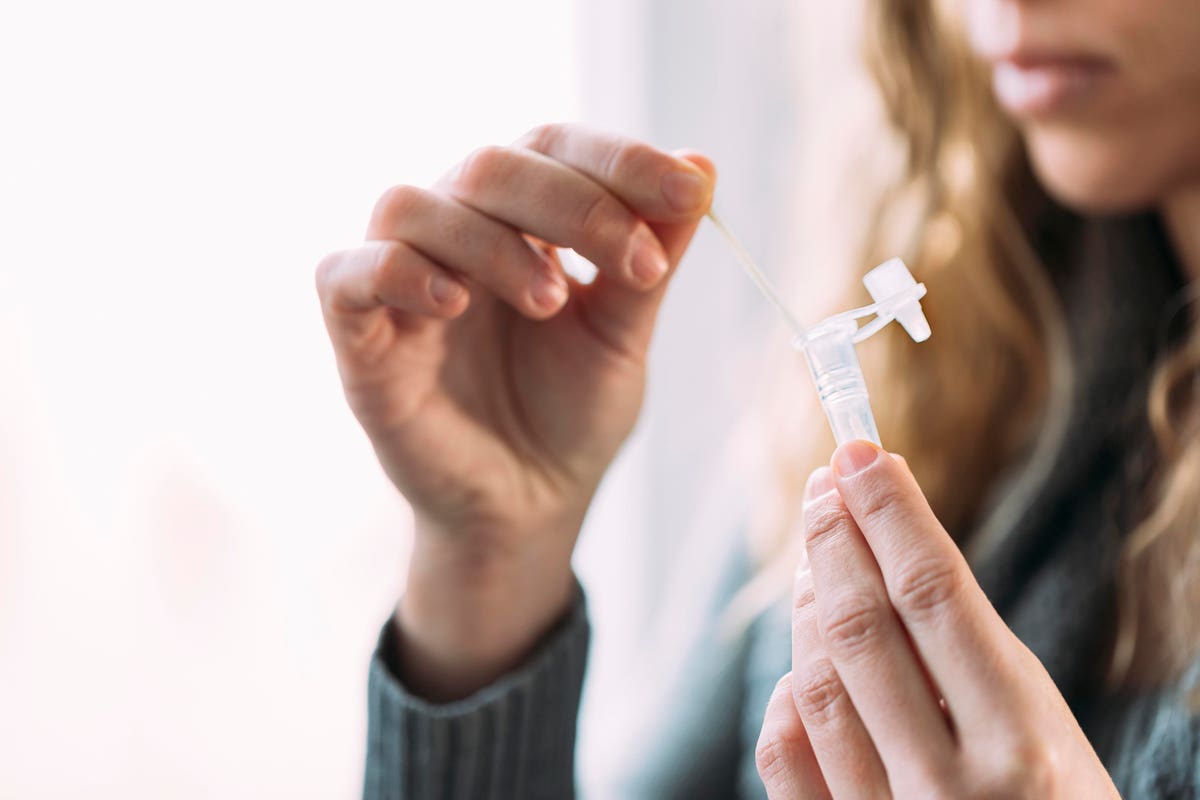
At-home test kits first became available in the mid-1970s, when the first home pregnancy test was developed. This groundbreaking test enabled women to determine whether they were pregnant in the privacy of their own homes, instead of having to go to a doctor or clinic for testing. Since then, other at-home tests have been released to detect everything from sexually transmitted diseases (STDs) to food allergies to respiratory viruses, like Covid-19 and flu tests.
Today’s tests are much more accurate than their predecessors, thanks to advances in technology and medicine. Additionally, many modern tests can provide results within minutes instead of days or weeks, as traditional lab tests do. As technology continues to evolve, so too will at-home test kits, allowing people to access faster and more accurate information about their health and well-being with greater ease than ever before.
With so many home test kits available, it can be hard to know which one is right for the situation. There are different types of home test kits: a home collection kit, a home-use test and over-the-counter tests. They are different; both practically and from a regulatory perspective. It’s important to understand that each designation has a different benefit-risk profile. These profiles are used to determine whether a test is safe and beneficial for use in the home. Many are reviewed by regulatory agencies to determine the appropriate use case.
Home sample collection kits are typically used for collecting a sample in the home, but is tested in laboratories, and the home user has no responsibility for performing the test. Some send results back to the home user, and some send results directly to a healthcare provider. One good example is the mail-in tests that are used for genetic testing or for food sensitivity.
Home use or testing at home with a prescription requires a test to be simple with a low chance of false results due to user errors that a user can perform at home. Results may or may not be blinded to an individual, and results are discussed with a physician or provider paired with it to direct retesting or any treatments, as applicable. An example is the recent clearance of a medical pulse-oximetry device that helps monitor a baby’s heart rate and oxygen saturation levels.
Over-the-counter tests are typically simple tests that anyone can buy to test and obtain results at home. They are performed by the end user, who can then act on the results. Pregnancy and ovulation tests are examples of over-the-counter home tests.
Based on my experience as CEO of a company that provides digital health wellness and diagnostic screening, I believe it is possible for the test’s intended user or setting to evolve over time as health policy evolves. For example, a lab test can move from the point-of-care setting to home sampling, to home testing over time, as there are new benefits for screening, tracking and monitoring, and as the public understands how to use home tests. One good example of this was the evolution of Covid-19 and flu testing as the pandemic progressed. We saw testing that began in laboratories only, then was allowed in point-of-care (POC) settings, then was allowed as home sample collection kits, and has finally become available as over-the-counter tests.
The future looks promising.
The demand for at-home test kits has skyrocketed in recent years, particularly during the Covid-19 pandemic. This shift in the healthcare industry offers both a challenge and a promising business opportunity for companies looking to capitalize on this growing market. The key to navigating this landscape effectively and seizing growth potential lies in continuously innovating. Investing in research and development enables companies to stay ahead of the curve by exploring new testing methodologies, expanding product offerings and anticipating future consumer demands. This proactive approach not only allows businesses to capitalize on the growing market for healthcare but also prioritizes the safety and well-being of their customers. By staying on top of consumer demands and industry trends, your business can thrive in this evolving sector.
With the advancement of technology, I’ve seen firsthand how at-home testing kits have become more accurate and accessible. The rise of mobile apps has also ushered in a host of new digital health solutions, with 47% of all apps focused on managing specific health conditions in 2021, up from 28% in the past. Many of these apps are designed to work with at-home testing kits, allowing users to track their results and manage their health conditions from the comfort of their own homes.
The future of at-home testing kits looks promising, with the market for home diagnostics projected to grow from $4.78 billion in 2017 to $6.53 billion by 2025. As technology continues to advance, I believe we can expect to see even more accurate and accessible at-home testing kits in the future.
Forbes Business Council is the foremost growth and networking organization for business owners and leaders. Do I qualify?
Read the full article here

