


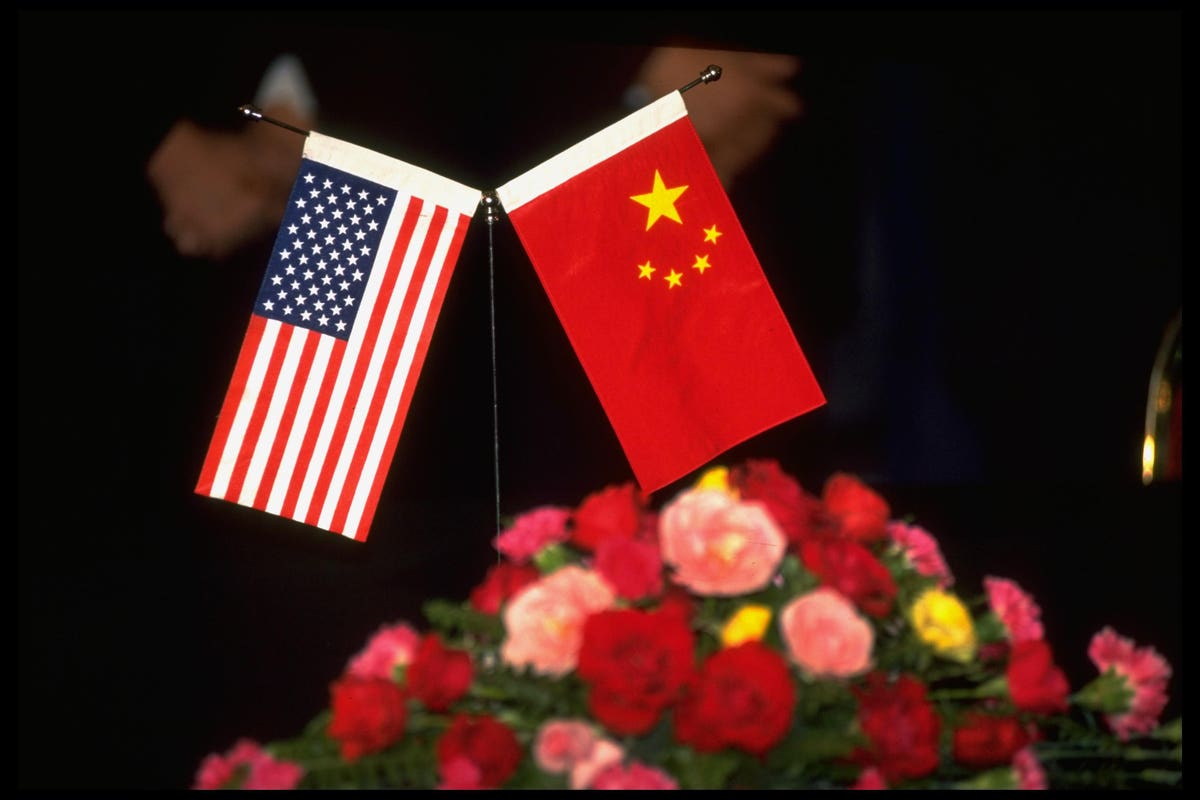
By many accounts, Washington and Beijing are on the verge of a major split. But like a marriage of fifty years, a breakup is far more onerous than finding a way to stick together. Neither side will want to downgrade their lifestyle, for which they have become interdependent, so something will have to give. When it comes to trade and investment, both countries have too much in common to part ways over temporary geopolitical tensions.
While it’s certainly a rough time, a certain amount of patience, understanding and endurance will eventually reap the benefits of this long term partnership. It won’t be easy and it won’t be quick, but there are still ample opportunities for both investors and businesses to flourish – even with the new restrictions announced by the Biden administration.
The new executive order affects U.S. investment in high-tech Chinese companies, specifically in semiconductors and microelectronics, quantum information technologies, and artificial intelligence. This would affect new investments in subsets of each of these categories and reflects a narrower focus than some had anticipated.
U.S. government officials and investors understand that an outright cut in ties is not only unfeasible, but detrimental to longer term growth and global stability. Continued economic engagement between the world’s two largest economies remains unavoidable, and that’s a good thing. The world is better off when these two economies find ways to cooperate.
China has already enacted some reforms that bode well for continued investment ties, including a 2022 agreement with the Public Company Accounting Oversight Board that allowed foreign auditing of domestic Chinese firms. The China Securities Regulatory Commission also made changes to secure its settlement system last year.
The current state of China’s economy may push Beijing to continue to better accommodate the business environment. The housing market has all but crashed with major developers defaulting. Youth unemployment has reached historic levels. And while the Chinese consumer is critical to saving the economy, deflation may be threatening to derail longer term growth.
Exports have also slowed considerably as orders decline from the U.S. and supply chains shift to other countries. Vietnam, for example, is producing a lot of solar panels, and while China still accounts for the majority, Vietnam can produce more competitively, but without as much volume.
Still, the Chinese economy will eventually get back on its feet. There are still more than 1.4 billion people there, over three times the population of the United States. It’s still a great market. A big opportunity remains even though it overheated and it’s coming down due to restrictions. Beijing has already enacted reforms to overseas listing requirements for Chinese firms. New guidelines went into effect March 31 that added clarity to rules that allow Chinese companies to pursue raising foreign funds in global markets.
China’s own domestic equity markets continue to show strong interest in IPOs. Hua Hong, China’s second largest chip maker, raised $3 billion in August on Shanghai’s exchange – the largest listing this year. Further integration of China bourses, including the mainland-Hong Kong stock connect program also increases investment opportunities for China-based companies.
And some U.S. firms like Sequoia have begun to make changes in order to accommodate a changing investment environment by spinning off its China practice. Companies that can adapt to new requirements, both from Beijing and Washington, will likely continue to thrive as the U.S.-China relationship evolves.
Chinese firms also continue to list in the United States with tens of millions of dollars in shares being offered in sectors like wood products, financial services, new media, and education. Earlier this year, Chinese steel, food, and medical devices firms listed on U.S. exchanges.
More are expected as companies prepare for an eventual listing with updated audits. Those that can afford to wait until valuations, or the overall investment environment improves will likely wait. A sign this is happening will be when Chinese mid-caps begin to seek listings.
Overall, U.S. markets need to remain open to the world of companies seeking a listing and investors will need clear guidelines on where and when they can put their capital to good use. While security issues will restrict some investment flows, there are still plenty of opportunities for both U.S. and Chinese companies to flourish. Consumers and investors in both countries will be better off as a result.
Read the full article here

