


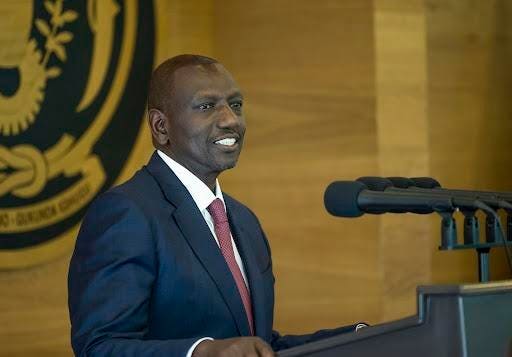
Next week, from September 18th to the 26th, 193 leaders around the world attend the annual UN General Assembly. A core focus of the gathering will be discussing a growing consensus on the need to establish a “global Green bank.” This meeting comes after the first Africa Climate Summit in Nairobi, Kenya, where the President, William Ruto, called for “a fair playing ground for our countries to access the investment needed to unlock potential and translate it into opportunities. In June, at the Paris Summit, Kenya’s President Ruto called for the creation of a global green bank separate from the World Bank and the International Monetary Fund (IMF) to address the climate crisis. This call to action is in response to a lack of climate urgency evident during the Paris Summit. Ruto argues that the interests of wealthy nations influence traditional multilateral lenders and are insufficient to tackle climate change. He proposes a non-aligned bank funded by global green taxes and levies, such as those on financial transactions, fossil fuels, shipping, and aviation. This new mechanism could generate between $1.5 trillion and $2 trillion annually. While some leaders, including French President Emmanuel Macron, have shown lukewarm interest, Ruto asserts that the entire African continent supports the idea, and China is supportive of Kenya’s stance.
Ruto is due to meet with Chinese President Xi Jinping later this year to discuss topics including climate change. Ruto emphasizes the need for a new bank to prevent developing nations from accumulating excessive debt while pursuing emission reductions and energy transformation. He suggests that the IMF and World Bank should be reformed to allocate $500 billion annually to refinance high-cost debt held by developed countries.
The IMF and the World Bank are two prominent entities that wield significant influence in facilitating economic stability and development. Both institutions have distinct advantages and disadvantages, and opinions about their efficacy can vary widely. Additionally, China has emerged as a major player in supporting the development efforts of other nations in the global South. As the global South faces disproportionate effects of climate change, In order to understand the pressure developing nation leaders are experiencing to secure funding and support, it is vital to delve into the complexities associated with the IMF and the World Bank, as well as China’s growing role in supporting developing countries. As long as the global South is excluded from the inner core of international power structures, it will continue to exert pressure on financial powers such as the IMF and World Bank in the pursuit of meaningful reform.
The International Monetary Fund (IMF), a cornerstone of the global financial system, assumes a pivotal role as a crisis management tool by extending critical financial assistance to nations grappling with balance of payments challenges. The impact of IMF initiatives is evident in projects, such as enhancing public financial management in Mali, effectively contributing to economic stabilization amid periods of uncertainty. Beyond its financial support, the IMF offers economic policy counsel and technical expertise to its member nations, thereby elevating their governance and economic administration proficiencies.
However, one notable drawback of the IMF is the issue of conditionality. While IMF loans offer critical financial support, they often come with stringent conditions that recipient countries must adhere to. This can lead to social and political unrest as these conditions may not always align with the specific circumstances of the country. Furthermore, critics argue that the IMF promotes policies that can exacerbate inequality and social tensions, undermining the institution’s development goals. The power dynamics within the IMF, heavily skewed towards developed nations, have raised concerns about unequal influence in decision-making, potentially disadvantaging developing countries.
The World Bank, another major player in global development, provides vital development financing to countries aiming to reduce poverty, enhance infrastructure, and promote economic growth. Moreover, the World Bank serves as a repository of expertise, knowledge, and research that assists nations in formulating and implementing effective development policies. Its emphasis on poverty reduction and sustainable development aligns with the broader global development agenda, contributing to the achievement of international goals. The World Bank’s commitment to global partnerships with governments, international organizations, and NGOs further bolsters its impact on addressing development challenges.
However, some projects funded by the World Bank have faced scrutiny for their effectiveness, with concerns about their impact on local communities and the environment. Additionally, loans provided by the World Bank, while intended to support development, can inadvertently contribute to the debt burden of recipient nations if not managed carefully.
China has emerged as a significant alternative force in supporting developing nations. This support encompasses bilateral assistance, investments, and loans extended by China to facilitate infrastructure initiatives, trade activities, and overall economic development. China’s ambitious Belt and Road Initiative (BRI) seeks to enhance connectivity and trade between countries by funding vital infrastructure projects. The establishment of institutions like the Asian Infrastructure Investment Bank (AIIB) demonstrates China’s commitment to financing infrastructure and development projects. China’s expanding trade relationships contribute to economic growth and employment opportunities in developing nations. Recently, an emphasis has been placed on the global South, which explains why Chinese President Xi chose not to attend the G20 meeting. Beijing’s surprise decision to dispatch its ceremonial Vice President to attend the UN General Assembly rather than sending Wang Yi, Chinese Foreign Minister, also echos this point. China’s future strategic focus will aim to utilize its resources to build an alternative world order.
The IMF, the World Bank, and China’s role in supporting developing countries are complex and multifaceted. Each institution offers distinct advantages while grappling with certain drawbacks. As global economic dynamics evolve, it is crucial to engage in ongoing discussions and evaluations of these institutions and their approaches to ensure that development efforts are effective, sustainable, and aligned with the diverse needs of countries worldwide, especially those in the global South. Kenyan President Ruto’s Global Green Bank solution might be what the world needs.
Special thanks to Lorena James for contributing research, editorial edits, pictures, and quantitative data for this article.
Read the full article here

