


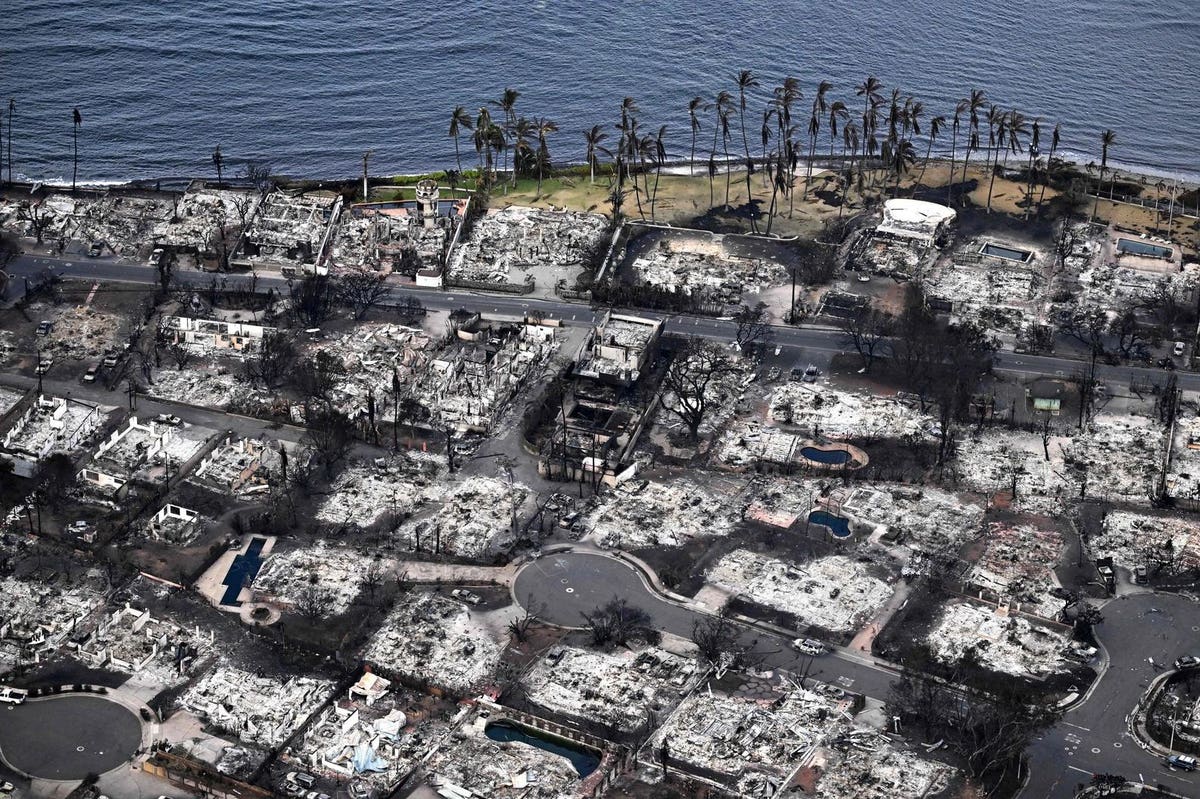
The IRS has announced expansive tax relief for Hawaii wildfire victims in Maui and Hawaii counties. These taxpayers now have until Feb. 15, 2024, to file various federal individual and business tax returns and make tax payments. The IRS is offering relief to any area designated by the Federal Emergency Management Agency (FEMA). This means individuals and households that reside or have a business in these counties qualify for tax relief. The current list of eligible localities is always available on the disaster relief page on IRS.gov.
Filing and Payment Relief. The tax relief postpones various tax filing and payment deadlines that occurred from Aug. 8, 2023, through Feb. 15, 2024 (postponement period). As a result, affected individuals and businesses will have until Feb. 15, 2024, to file returns and pay any taxes that were originally due during this period.
The Feb. 15, 2024, deadline will now apply to:
- Individuals who had a valid extension to file their 2022 return due to run out on Oct. 16, 2023. The IRS noted, however, that because tax payments related to these 2022 returns were due on April 18, 2023, those payments are not eligible for this relief.
- Quarterly estimated income tax payments normally due on Sept. 15, 2023, and Jan. 16, 2024.
- Quarterly payroll and excise tax returns normally due on Oct. 31, 2023, and Jan. 31, 2024.
- Calendar-year partnerships and S corporations whose 2022 extensions run out on Sept. 15, 2023.
- Calendar-year corporations whose 2022 extensions run out on Oct. 16, 2023.
- Calendar-year tax-exempt organizations whose extensions run out on Nov. 15, 2023.
In addition, penalties for failure to make payroll and excise tax deposits due on or after August 8, 2023, and before September 7, 2023, will be abated as long as the deposits are made by Sept. 7, 2023.
The IRS disaster relief page has details on other returns, payments and tax-related actions qualifying for relief during the postponement period. The IRS automatically provides filing and penalty relief to any taxpayer with an IRS address of record located in the disaster area. These taxpayers do not need to contact the agency to get this relief.
It is possible an affected taxpayer may not have an IRS address of record located in the disaster area, for example, because they moved to the disaster area after filing their return. In these kinds of unique circumstances, the affected taxpayer could receive a late filing or late payment penalty notice from the IRS for the postponement period. The taxpayer should call the number on the notice to have the penalty abated.
In addition, the IRS will work with any taxpayer who lives outside the disaster area but whose records necessary to meet a deadline occurring during the postponement period are located in the affected area. Taxpayers qualifying for relief who live outside the disaster area need to contact the IRS at 866-562-5227. This also includes workers assisting the relief activities who are affiliated with a recognized government or philanthropic organization.
Additional Tax Relief. Individuals and businesses in a federally declared disaster area who suffered uninsured or unreimbursed disaster-related losses can choose to claim them on either the return for the year the loss occurred (in this instance, the 2023 return normally filed next year), or the return for the prior year (2022). Taxpayers have extra time – up to six months after the due date of the taxpayer’s federal income tax return for the disaster year (without regard to any extension of time to file) – to make the election. Be sure to write the FEMA declaration number – DR-4724-HI − on any return claiming a loss. See Publication 547 for details.
Qualified disaster relief payments are generally excluded from gross income. In general, this means that affected taxpayers can exclude from their gross income amounts received from a government agency for reasonable and necessary personal, family, living or funeral expenses, as well as for the repair or rehabilitation of their home, or for the repair or replacement of its contents. See Publication 525 for details.
Additional relief may be available to affected taxpayers who participate in a retirement plan or individual retirement arrangement (IRA). For example, a taxpayer may be eligible to take a special disaster distribution that would not be subject to the additional 10% early distribution tax and allows the taxpayer to spread the income over three years. Taxpayers may also be eligible to make a hardship withdrawal. Each plan or IRA has specific rules and guidance for their participants to follow.
The IRS may provide additional disaster relief in the future. The tax relief is part of a coordinated federal response to the damage caused by these wildfires and is based on local damage assessments by FEMA. For information on disaster recovery, visit disasterassistance.gov.
Read the full article here

