


Basic economics tells us that when demand goes down, suppliers must reduce costs, cut supply, or lower prices to survive. That is the choice facing many U.S. colleges and universities starting in 2025, when the so-called “enrollment cliff,” begins. Between 2025 to 2029, undergraduate headcount will drop by over 575,000 students (15 percent) and, if recent history is an indicator, many schools will end up closing their doors rather than streamlining their operations.
The reason is that most institutions of higher learning are dependent on tuition revenue for survival. While a handful of elite universities (think Harvard, Stanford, Princeton) have endowments large enough to cover the cost of attendance for any student in need, the rest require undergrads to borrow on average over $30,000 to earn a bachelors.
In the past, when faced with funding shortfalls, colleges and universities attempted to “grow their way” out of the problem by opening up new sources of revenue. Many launched new graduate programs, including terminal master’s degrees (no doctoral option) and certificates. Others increased their online offerings to expand their access to part-time students beyond the gates of their campuses. And almost all opened their doors to international students who could afford to pay full price.
But unlike Purdue University—who used this new source of revenue to hold undergraduate tuition flat for a decade—most schools went on a hiring spree; one that massively expanded the ranks of all types of employees, with one notable exception—full-time faculty
Between 1976 and 2018, full-time administrators and other professionals employed by those institutions increased by 164% and 452%, respectively. Meanwhile, the number of full-time faculty employed at colleges and universities in the U.S. increased by only 92%, marginally outpacing student enrollment which grew by 78%.
When we look at individual schools the numbers are just as striking. A recent report I authored found that on average, the top 50 schools have 1 faculty per 11 students whereas the same institutions have 1 non-faculty employee per 4 students. Put another way, there are now 3 times as many administrators and other professionals (not including university hospitals staff), as there are faculty (on a per student basis) at the leading schools in country.
Some schools have non-faculty to student ratios that are particularly egregious. For example three universities, the California Institute of Technology, Duke University, and the University of California at San Diego actually have more non-faculty employees on campus than students. It is important to note this does not include consultants and contractors, many of whom work with university admissions and marketing offices to boost enrollments.
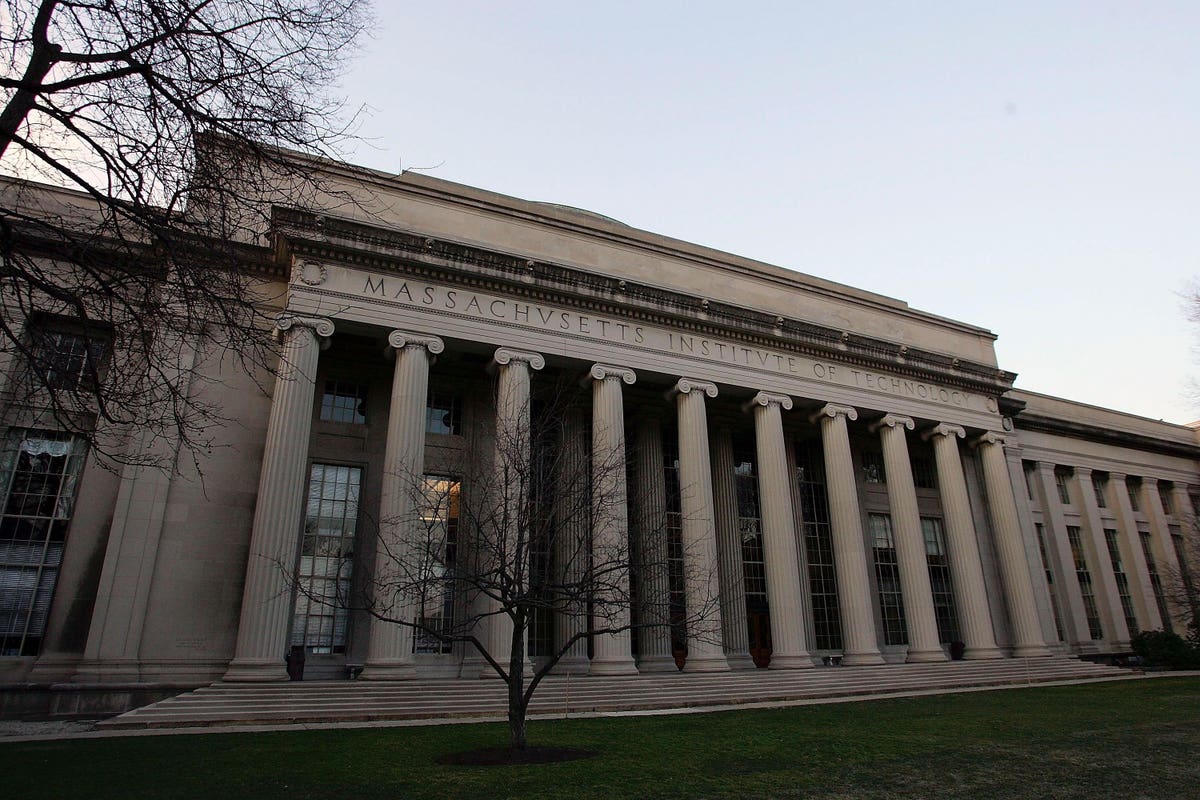
The ratio of non-faculty to faculty is also alarming. At Johns Hopkins University, where I direct two graduate programs, there are 7.5 more non-faculty than faculty. These numbers are even worse at The Massachusetts Institute of Technology (MIT), which had almost nine times more non-faculty employees than faculty, followed by Caltech at eight times.
Why have administrative positions exploded? There are several reasons, including greater student demand for services, the growing number of accreditors, government regulations, and the natural tendency for administrators to solve most problems with—you guessed it—more administrators.
This massive increase in personnel never could have happened without the growing availability of federal aid and student loans (albeit any corresponding constraints on costs). But given the rapidly deteriorating fiscal condition of the federal government, and the recent decision by the Supreme Court on loan forgiveness, the likelihood of a major expansion in tuition assistance (or full-scale student loan bailout) seems unlikely in the near future.
With no market or regulatory forces to contain the reckless spending behavior of colleges and universities, school presidents have focused on fundraising, not good management. But starting in 2025, they will need to learn quickly how to streamline administrative costs, or be replaced by a new generation of school leaders who do.
Read the full article here

