


This is a very unusual time for investors like me who explore the investment opportunities offered by companies facing distress. I have been practicing this investment strategy for more than 25 years and have never seen so much confusion. There seem to be more and more companies in trouble than ever, and the number just keeps growing on an almost daily basis.
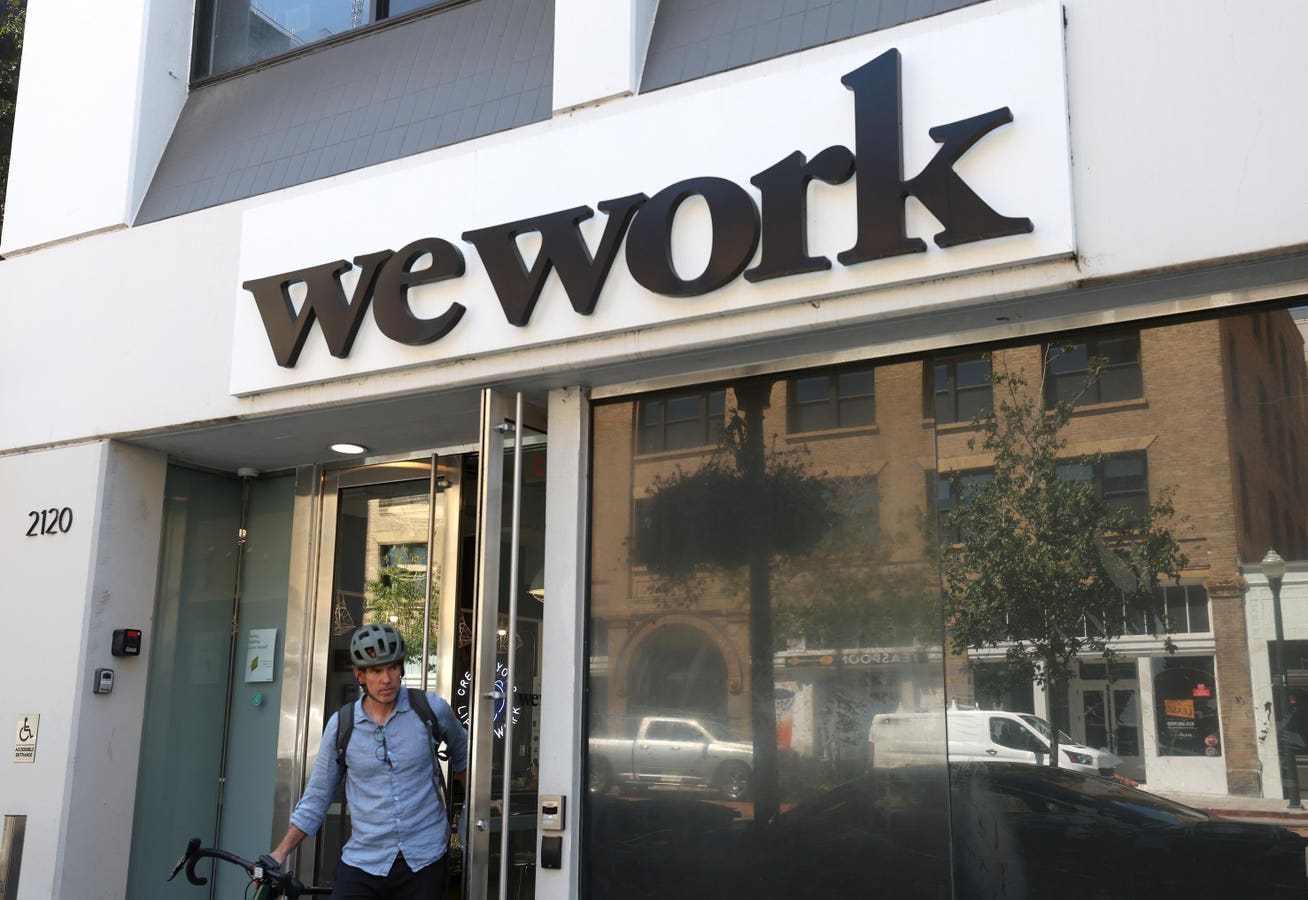
The most recent high-profile company in distress is WeWork, a company we wrote about in this same space four years ago and which finally filed for Chapter 11 protection on November 6. In a public statement, the company also announced its intent to file “recognition proceedings” in Canada under Part IV of the Companies’ Creditors Arrangement Act. In WeWork’s bankruptcy filing, the company, which was once valued at over $47 billion, listed about $18.7 billion in liabilities and $15.1 billion in assets.
In September when the company announced plans to renegotiate all of its leases, CEO David Tolley noted that lease liabilities accounted for over two-thirds of operating expenses for the second quarter of this year. As of its most recent securities filings, WeWork had 777 locations in 39 countries. The company says offices outside the US and Canada will be unaffected by the bankruptcy.
Viewed at a high level, WeWork was really just a startup company in a sector that has always been very cyclical—office rentals. And it’s not the first time a company that offers short term office rentals with long term leases has gotten into trouble. For example, HQ Global Workspaces filed for bankruptcy in 2002 before it was sold to Regus Group which had filed for bankruptcy itself in 2003.
But WeWork wasn’t marketed to investors as a commercial real estate company. Rather, it was positioned as a disruptor, a new economy company that would offer tenants technology and the ability to network, collaborate, and create without the overhead of long-term leases or the costs of an office. In reality, WeWork was just another real estate middleman and not all that differentiated from its competitors in the cutthroat office rental industry.
Yet, the market just ate it up because interest rates were near zero and the real estate market was on a tear. On top of that, like many new economy startups, WeWork had a very charismatic CEO/founder in Adam Neumann who was renting new office space in the biggest cities in the world with an expectation that this enterprise would grow to the moon. His parties and lifestyle drew particular attention and envy. After some bad publicity and disclosures made in a public offering filing helped tank its IPO, Neumann resigned and gave up majority voting control in September 2019, walking away with at least $200 million in payouts.
His non-compete agreement expired last month, and he recently launched a new company, Flow
FLOW
When WeWork was riding high, landlords were offering rentals at the highest rates that they had ever demanded. But because capitalization rates were practically zero for real estate, many investors didn’t see the forest for the trees and therefore thought that this business would thrive. Instead, they thought of WeWork as a new economy unicorn which would disrupt the office rental world and share handsome profits with investors and tenants.
Then came Covid, which stopped people from going to offices entirely and thereby made the WeWork concept somewhat irrelevant. On top of that, the company had overpaid for many of their long-term leases and the customers they cater to—short term tenants launching startups—were even more susceptible to the risk of a slowdown in the economy than more established businesses.
WeWork is an extreme example but there’s a lot of concern now in the commercial real estate market overall. The banks and insurance companies who lent money to the space did so on the expectation that there would not be a market correction. Cap rates were so low that deals were struck for lenders to finance the purchase of commercial real estate buildings with a thin sliver of equity and the expectation that interest rates would remain at historic lows. Now that short term interest rates are above 5%, many equity investors in these commercial buildings have been basically wiped out. In fact, many lenders will also take a big hit when the buildings are reappraised under current market conditions.
For all practical purposes, the commercial real estate sector is therefore completely busted. Three and a half years after the pandemic hit, the downtowns of many major cities are still empty, and many employees have no desire to return to a five-days-a-week office environment. That in turn negatively impacts local economies and all the ancillary businesses which depend on office workers’ patronage. It is really indicative of a systemic problem in the commercial real estate market, which also has the ability to negatively impact the entire banking sector.
That is of concern because so many banks and lenders financed capital structures to buy buildings at a time when interest rates and cap rates were at record lows that many of those decisions now look ridiculous. And lenders who anticipated getting regular payments on the mortgages and loans they extended to buy these buildings have a major reset coming.
Landlords are also facing challenges because many of their tenants with long-term leases are looking to save money by subletting their existing unused space. Unfortunately, this creates an additional overhang on the commercial real estate market because sublets are available at considerably lower rates than regular tenancies offered by the building owners.
This is a story that will take some time to play out as commercial real estate continues to reset and office leases mature. And as banks deal with the repercussions from loans they made when money was cheap, we may eventually see a full-blown crisis since most banks operate with a very thin layer of equity as well. This creates a solvency problem which makes it impossible for many banks to absorb large write downs in their loan portfolios.
The real problem with WeWork, and many of the other companies that are now in distress, is that the business model only works if it is financed with excessive and cheap leverage. Such a business doesn’t have the cashflow to continue servicing existing debt and it can’t afford to borrow any more.
There was some good news about interest rates when the Federal Reserve announced after its most recent meeting that it was done with rate hikes for this year. However, Chairman Powell did indicate that additional increases are not off the table depending on how the economy performs over the next few months. And with the current Fed funds rate of 5.25-5.50% it is already getting harder for companies already carrying significant debt, borrowing more money is getting close to impossible. Moreover, the Fed’s monthly rounds of quantitative tightening (reducing its balance sheet by ~$60 BN per month) puts additional pressure on interest rates.
Difficult fixed-income market conditions are certainly a major factor driving some of the high-profile bankruptcies that we have seen of late. In addition to WeWork, examples include Rite Aid
RAD
TUP
In essence, much of this distress is the result of massive secular changes brought about by advances in technology that have really revamped the playing field coupled with the usual culprit—an overleveraged balance sheet. It doesn’t matter if we are talking about a new economy company like WeWork or an old-style brick and mortar retailer like Rite Aid or Bed Bath & Beyond. Companies that take on more debt than the business can support can and do fail spectacularly.
The more things change, the more the basics remain the same.
Read the full article here

