


Unlock the White House Watch newsletter for free
Your guide to what the 2024 US election means for Washington and the world
The writer is chief executive of the New America think-tank and an FT contributing editor
For almost two decades, China adhered to the doctrine of “peaceful rise”, a concept developed by state counsellor and intellectual Zheng Bijan. It emphasised China’s desire to grow in power and prosperity by integrating into the international system, without posing a threat to other nations.
The strategy succeeded: from the 1990s to the mid-2010s, China’s GDP and global influence rose spectacularly. Xi Jinping, however, changed course. Beginning in 2017, he launched a set of tactics that became known as “wolf warrior diplomacy”. Chinese diplomats became more assertive in defending China’s interests. And in a few short years the Chinese government succeeded in undoing much of the goodwill that years of peaceful rise had engendered.
In 2023, Xi backed off. But this aggressive advance of China’s interests had made it worse off in the world, creating lasting distrust and convincing many of China’s partners to hedge their bets by strengthening relations with the US.
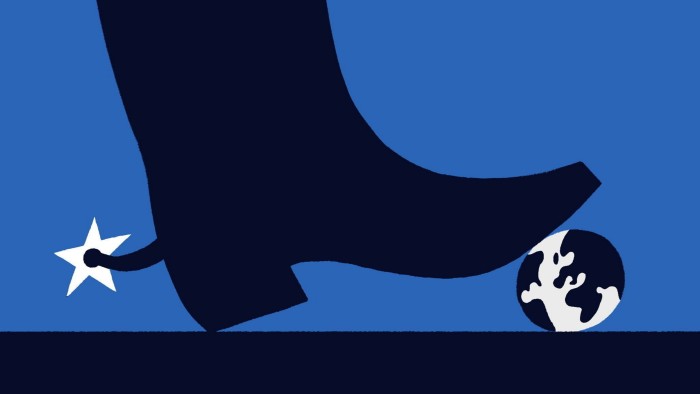
Now, US president-elect Donald Trump and his merry band of tech titans are embracing their own brand of Wild West diplomacy, amplified with a dose of Silicon Valley swagger. Its hallmarks are supreme self-confidence, a disregard for rules of any kind and a willingness to make deals with anyone anywhere as long as they advance immediate self-interest.
Trump himself lives in a world of self-bestowed superlatives, which find a ready echo in his new friends from California. Many of the men who have risen to power and unimaginable riches on the back of technological innovation assume that American superiority over other countries is as evident as the superiority of the tech sector over the rest of the US economy. It is the future, and they control it.
Such attitudes seem certain to create a regular stream of incidents and mini-crises with other countries. Yet based on the Chinese experience, the issue will not be this or that outrage, but the steady accumulation of statements and actions that gradually permeate the domestic politics of other nations, shifting coalitions in consequential ways.
As Xi discovered, Beijing’s truculence and bald assertion of entitlement strengthened the hand of China hawks in both the US and the EU, and sowed doubt among former China supporters. Long-term damage to the relationship between Washington and Beijing was the result not only of Trump’s actions during his last term in office, but also a deep shift in the views of former Obama officials who entered the Biden administration and built on many of Trump’s anti-China policies.
Pushing US technological supremacy, in particular, will embolden those in other countries who are already seeking to challenge the grip of big American tech companies. The EU has been fighting the power and reach of those companies for over a decade. The new Trump administration, following Meta’s refusal to deploy its artificial intelligence in the EU, is likely to force showdowns that will provide a needed spur to the creation of integrated European technology and defence markets.
In countries such as Mexico, India, Brazil, Turkey, South Africa, Kenya, Ethiopia and Indonesia, even where current leaders are friendly to Trump, the constant push from Washington to open markets and improve terms of trade in favour of US companies will alienate local entrepreneurs and exporters.
The US, like China in the wolf warrior years, will increasingly be known for breaking and circumventing domestic and international rules. Demands that everyone else “pay up” for American military protection could look ever more like a global extortion racket.
Rising middle powers, now able to play a much more independent role on the global stage than in the 20th century, are not willing to be pawns in a US-China competition. They will insist instead on asserting their own national interests in the same way that Trump wishes to put America first.
The George W Bush administration eschewed international rules and processes in favour of “coalitions of the willing”. Since then, Republican unilateralists have been followed by Democratic multilateralists who spent years repairing damage to the US’s global relationships and creating new informal alliances and coalitions.
This cycle, however, has worn away trust and confidence in the US’s reliability as a partner and ally. Add a heavy dose of arrogance and insult, and the damage caused by the next era of American wolf warrior diplomacy could be permanent.
Read the full article here

