


Receive free Global Economy updates
We’ll send you a myFT Daily Digest email rounding up the latest Global Economy news every morning.
Plants and animals that have moved beyond their native habitats as a result of human activity are having a catastrophic global economic and environmental impact, a biodiversity body has warned in the first comprehensive assessment of “invasive alien species”.
The Intergovernmental Science-Policy Platform on Biodiversity and Ecosystem Services (Ipbes) estimated the annual economic cost at $423bn in damage caused to nature, human health and economic activities such as farming and fishing, warning that policymakers are failing to take adequate action against the growing threat from alien species.
Its report, prepared by 86 experts over four years, found that people had transferred 37,000 species of animals, plants and microbes to new habitats around the world. More than 3,500 were classified as invasive aliens because of the extent of damage they caused.
Ipbes scientists said the $423bn economic impact of invasive species, calculated for 2019, was a “very conservative” estimate and that costs were quadrupling every decade. Their report was approved by the organisation’s 143 member states meeting in Bonn this weekend.
Aníbal Pauchard of Chile’s Concepción university, a co-author of the report, said invasive alien species had been a major factor in 60 per cent of global animal and plant extinctions and the only factor in 16 per cent of such events recorded by Ipbes.
“It would be an extremely costly mistake to regard biological invasions only as someone else’s problem,” he said, adding that these “risks have global roots but very local impacts, facing people in every country”. Even Antarctica, where grass grows from seeds introduced inadvertently by tourists and researchers, was affected, Ipbes said.
Preventive action at national and global levels, through enhanced biosecurity and the detection and eradication of newly introduced species before they become permanently established, was needed to stem the tide, Ipbes added.
The most widespread invasive species is water hyacinth, native to South America and one of nature’s fastest-growing plants, which is clogging lakes and rivers around the world — with disastrous effects on freshwater fishing, particularly in Africa.
Second on the Ipbes list of most widespread alien species is lantana, a flowering shrub from central and South America originally planted in gardens as an ornamental plant but now seen as an invasive weed that is increasingly interfering with agriculture. Third is the black rat, which has wiped out defenceless native fauna and birds on islands across the oceans after escaping from ships.
“We’re seeing unprecedented rates of increase, with 200 new alien species recorded every year,” said Helen Roy of the UK Centre for Ecology and Hydrology and another co-author.
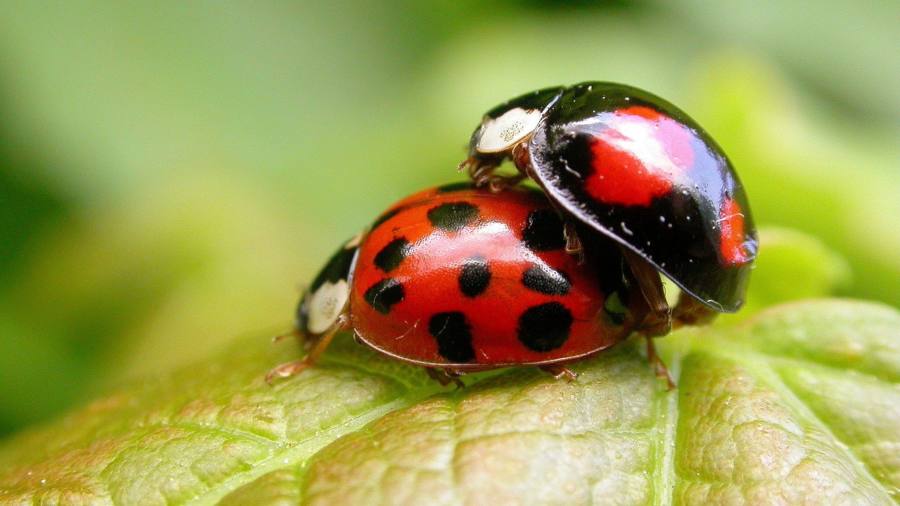
Biological control — introducing a new species to eradicate a pest — can help reduce the damage, though this strategy has sometimes backfired disastrously. An example is the harlequin ladybird, an Asian native brought to the US in the early 20th century to control insect pests but now a destructive predator of beneficial native species.
However, the approach could work when introduced with rigorous risk analysis, said Roy. On the remote Atlantic island of St Helena, the alien jacaranda bug was destroying native gumwood trees until a different ladybird was introduced to control it. “It is really specific to controlling the bug,” she said. “That little ladybird has saved the gumwoods from extinction.”
Peter Stoett of the University of Ontario Institute of Technology, the third co-chair of the Ipbes assessment, said ambitious progress in tackling invasive alien species was achievable.
“What is needed is a context-specific integrated approach, across and within countries and the various sectors involved in providing biosecurity ,” he said. “This will have far-reaching benefits for nature and people.”
Read the full article here

