


Unlock the Editor’s Digest for free
Roula Khalaf, Editor of the FT, selects her favourite stories in this weekly newsletter.
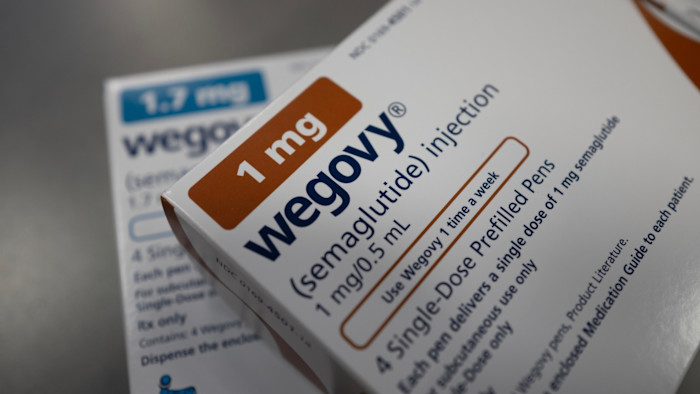
Novo Nordisk is launching a weight-loss pill price war as it seeks to keep pace with arch-rival Eli Lilly in the market for GLP-1 drugs.
The Danish drugmaker announced on Monday that patients could purchase the lowest 1.5mg and 4mg doses of its Wegovy pill for $149 a month in the US until April, when the 4mg dose will rise to $199 a month. Patients with insurance can pay as little as $25 a month for the lowest doses.
Higher doses of the drug at 9mg and 25mg are priced at $299 for a month-long supply.
Shares in the Copenhagen-listed company rose more than 2 per cent on Monday following the announcement, but have fallen 45 per cent over the past 12 months.
The Wegovy pill costs significantly less than Novo’s injectable version of the drug and Lilly’s own injectable, Zepbound, which dominate the market. Both drugs cost more than $1,000 a month but the price will be cut to about $350 when TrumpRx, the medicine purchasing website proposed by US President Donald Trump, launches later this year.
The pricing announcement comes weeks after the oral version of Wegovy was approved by the US Food and Drug Administration, marking the first regulatory nod for a weight-loss treatment in pill form.
The lower prices signal the start of a race to attract more patients who are overweight or obese. The pill resulted in an average weight loss of about 17 per cent of body weight after 64 weeks, according to trial results announced by Novo.
The pill must be taken daily on an empty stomach. Users have to wait at least 30 minutes before eating, drinking or taking other oral medications in order to give the pill time to absorb, according to the company’s instructions.
Lilly’s weight-loss pill, orforglipron, is expected to be approved by the US regulator this year. The White House said last year that it had reached a deal with Lilly for orforglipron to cost $346 a month when purchased through TrumpRx.
Orforglipron has had mixed fortunes in clinical trials. It disappointed in a trial of people without diabetes, delivering an average weight loss of 12.4 per cent of body weight, which was at the lower end of analysts’ expectations.
However, the drug met the company’s targets in achieving 10.5 per cent weight reduction in overweight people with diabetes.
Read the full article here

